We’ve been busy getting our fleet refreshed – our rowboat Vogler is back in the water, and thanks to Rob persevering through our insurance renewal troubles, Vogler is ready for our OSBUG members to enjoy! By the looks of our calendar, she’s already been out on the water a bunch of times this week.
Leapfrogging over the Button Swan, Ragna is now in the shop getting a new paint job. Because of the rather beat-up varnish, and since this is the most-used boat in the fleet, we decided to paint the entire interior of the boat. Here she’s got a coat of primer, but we’re planning on a nice off-white for all the parts that used to be varnish – should go nicely with the white hull interior, and will be much more durable.
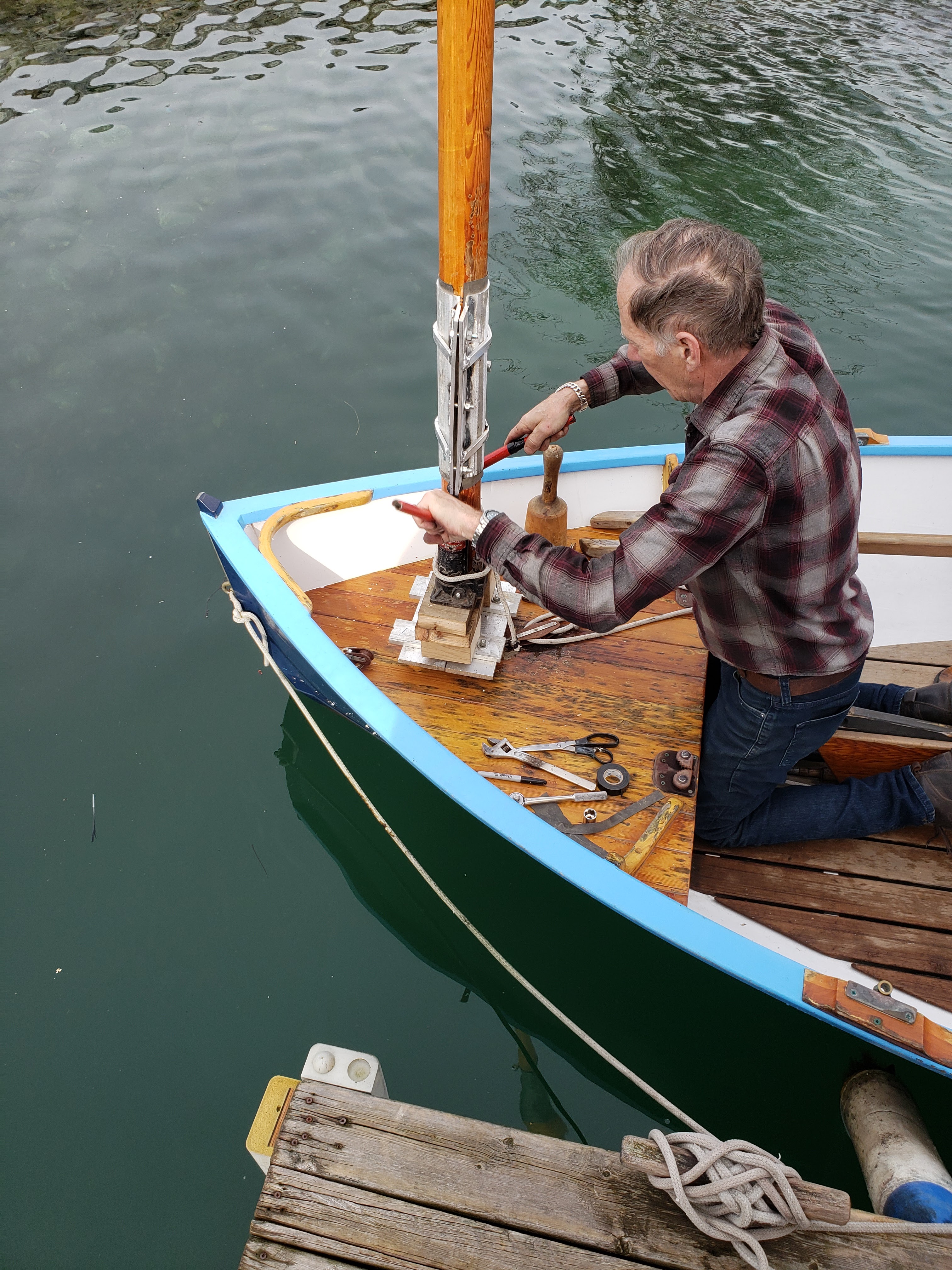
Extracting Ragna’s mast was quite a struggle!! When we built a new mast a few years ago, we didn’t leave quite enough expansion room, and now it was very tight in its sleeve. After a few attempts with ropes and levers, Arnt stepped in and fabricated a clamp and base, and used a couple of hydraulic jacks to pull it out. Still wasn’t exactly easy, but it did the job! We’ve sanded it down a little, and we’ll add a bit of a collar at the top of the sleeve to prevent water getting in again. The mast, spars, oars and rudder will remain varnished.
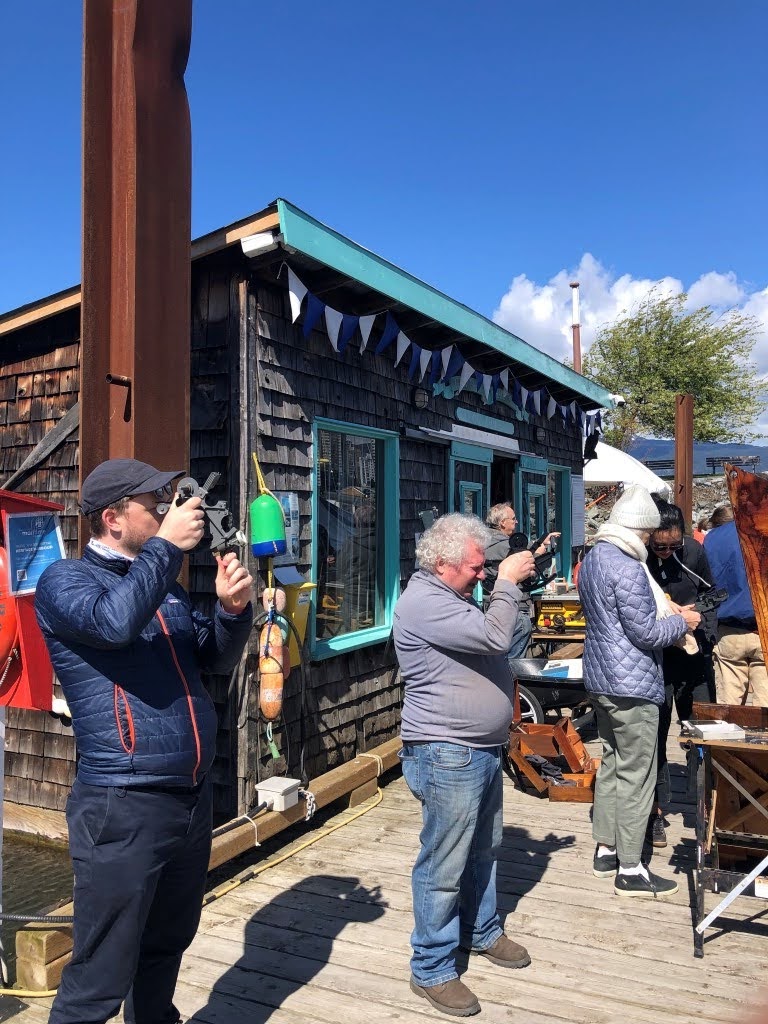
Last Saturday Bruce gave an intro to celestial navigation, using a sextant. That’s a skill that comes up regularly in conversation at the shop, so it was great to get a taste of it, for those who took part.
If those new-found skills are not enough to keep you safe, Bruce has a new book out – pick up a copy, and learn how to avoid bad luck on the water! It’s available in the Vancouver Maritime Museum shop, and other book stores.
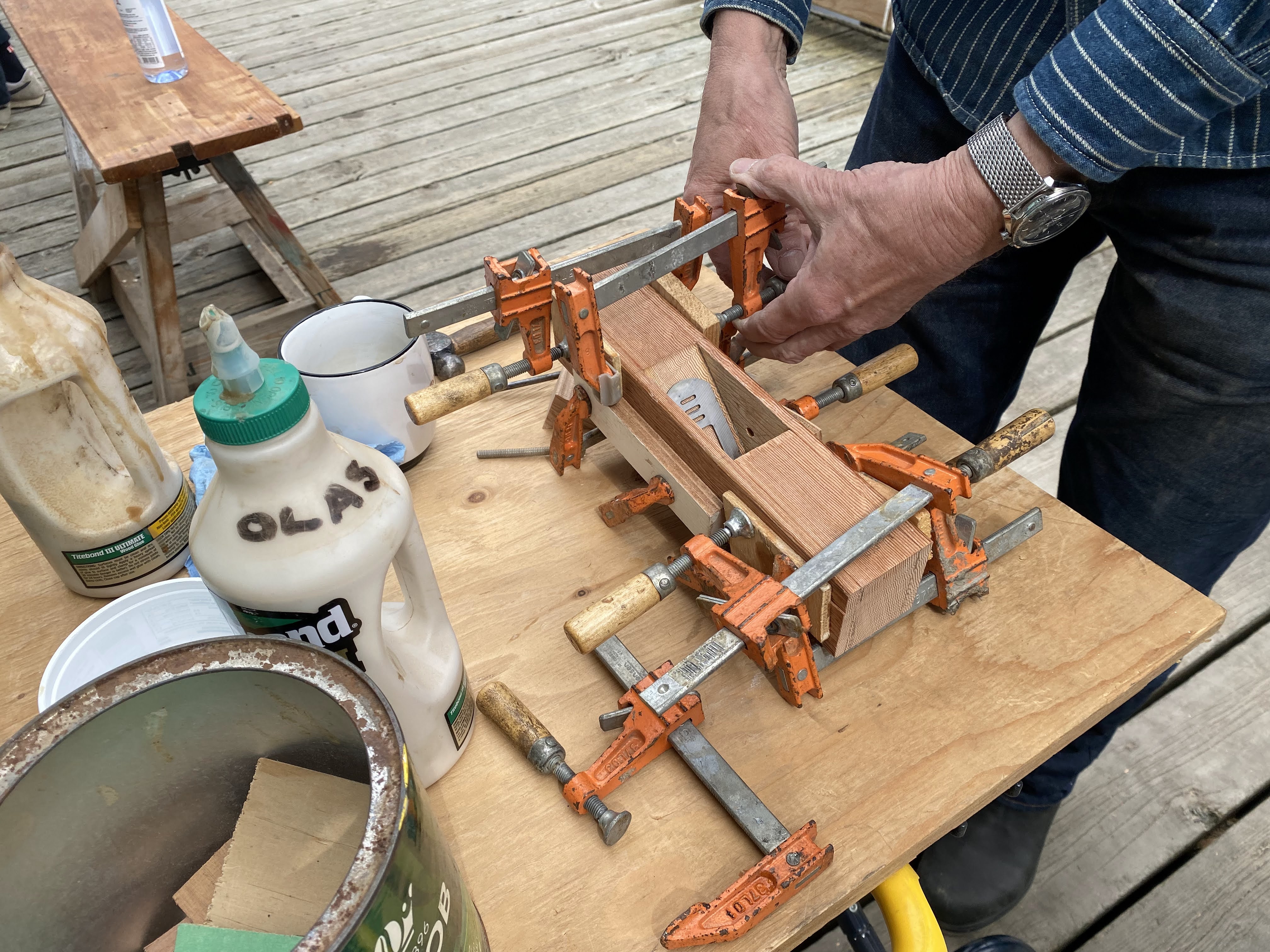
Planning ahead for our next new build, we tried out the process of making a plane, with an eye toward making a backing out plane. That will be needed if we decide to build the carvel planked handliner we’ve been thinking about. A backing out plane will help us shape the curved inner face of the planks.
On the topic of Renewal, we’ve got a few board members moving along to other things, so if you want to get involved, let us know – our AGM is coming up soon, where we’ll hold our elections.
There’s always something interesting going on at the dock! Come on down for a look, or to take part!
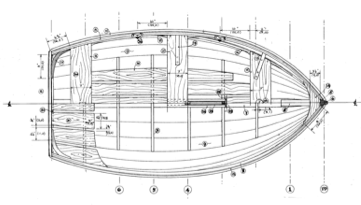
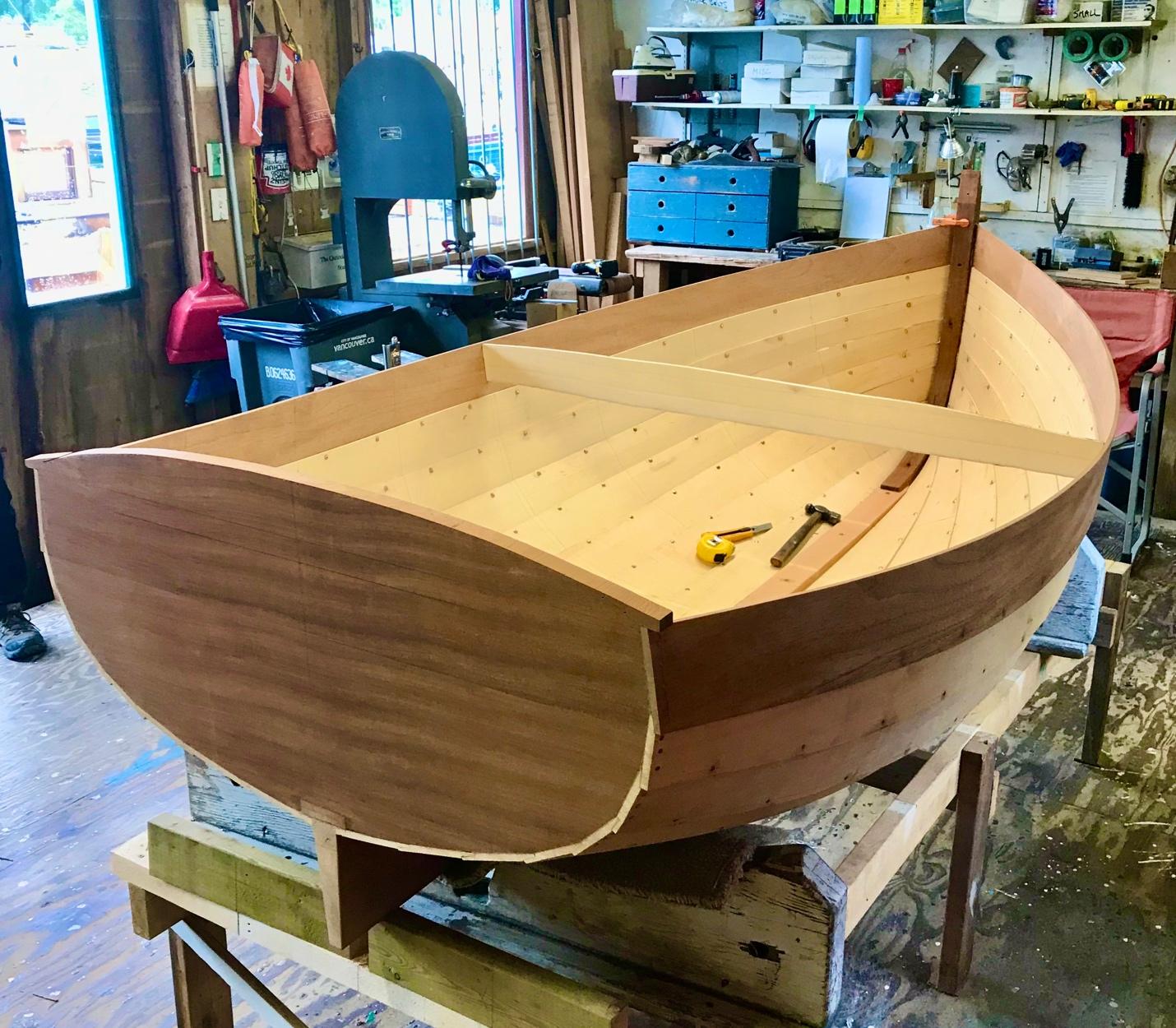
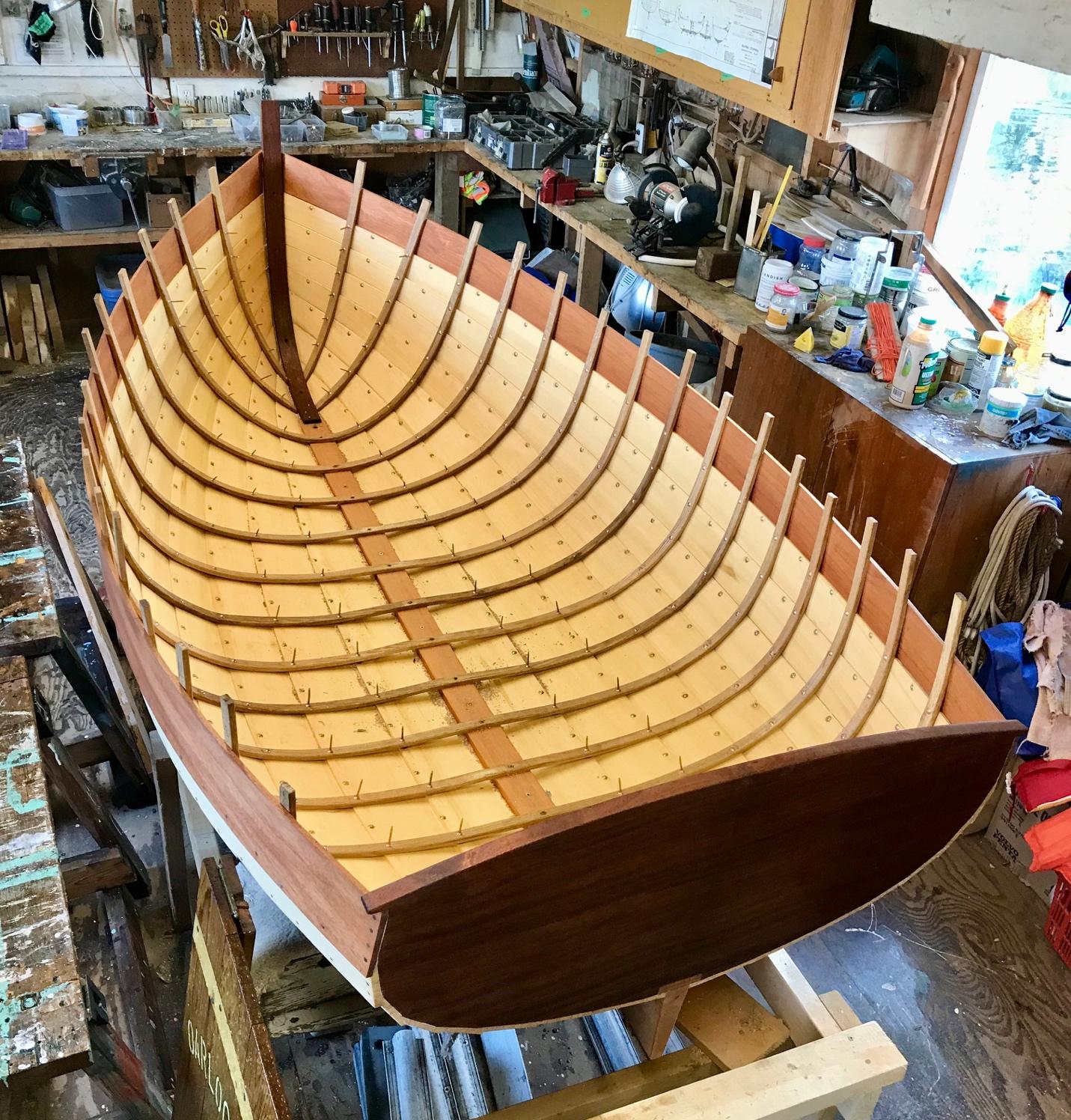
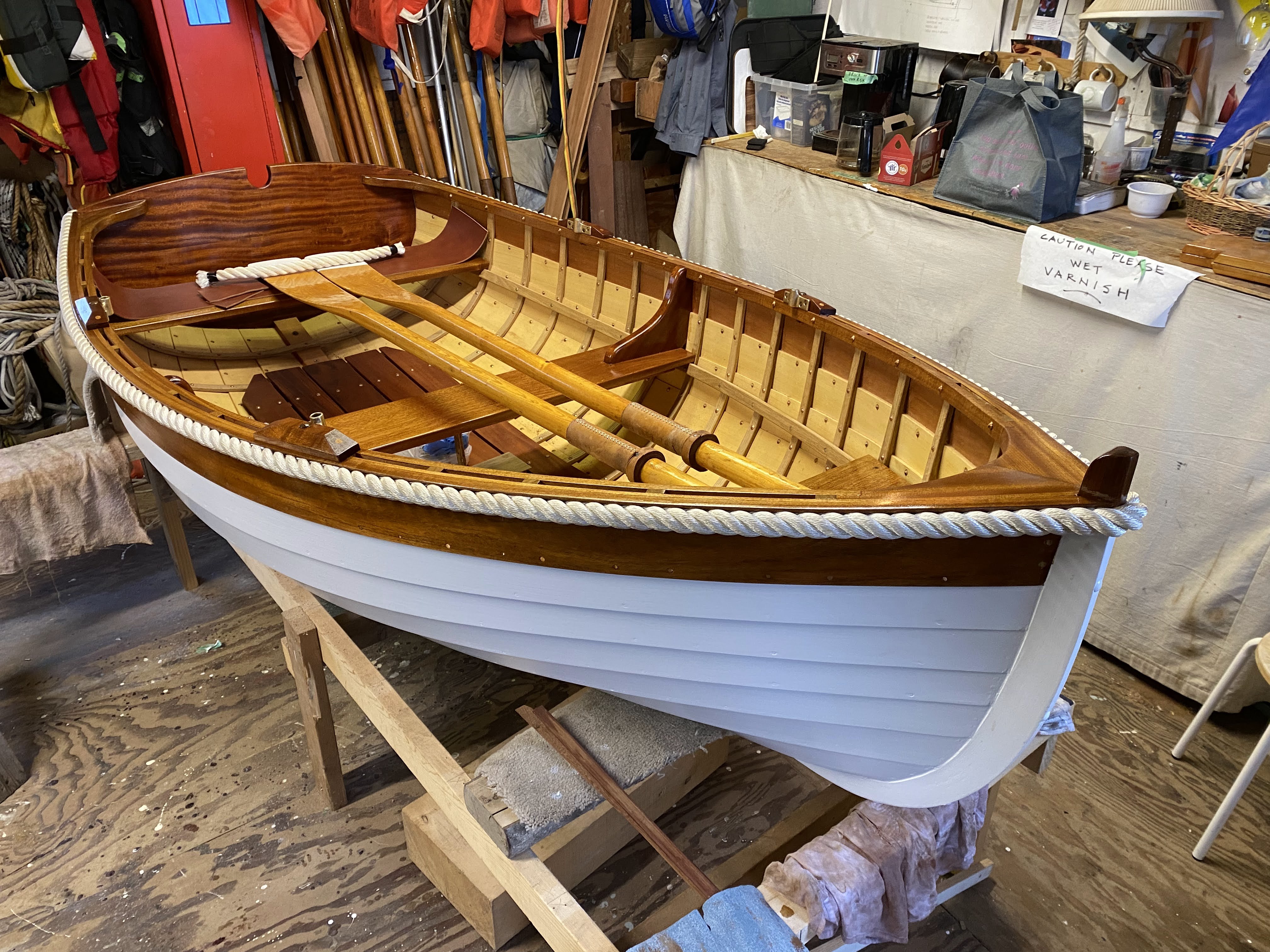
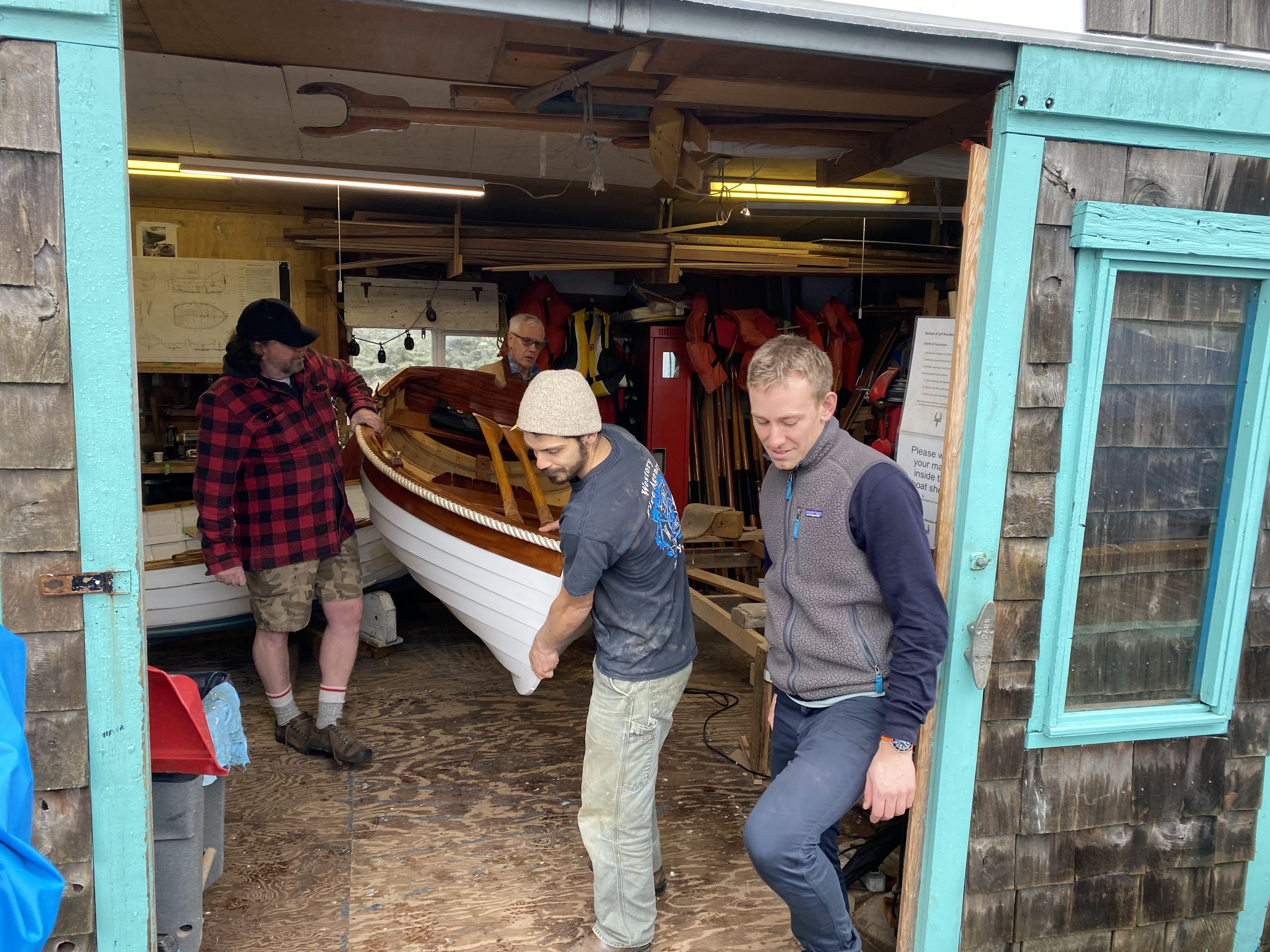
A couple of weeks ago, we finished up (or mostly finished) the Ian Oughtred Acorn that we’ve been working on. She turned out beautifully, I’m sure you’ll agree!
Brent has shared the story of how the boat came to be, from a log on the beach to this gorgeous vessel.
SPARROW
From a log to a dinghy.
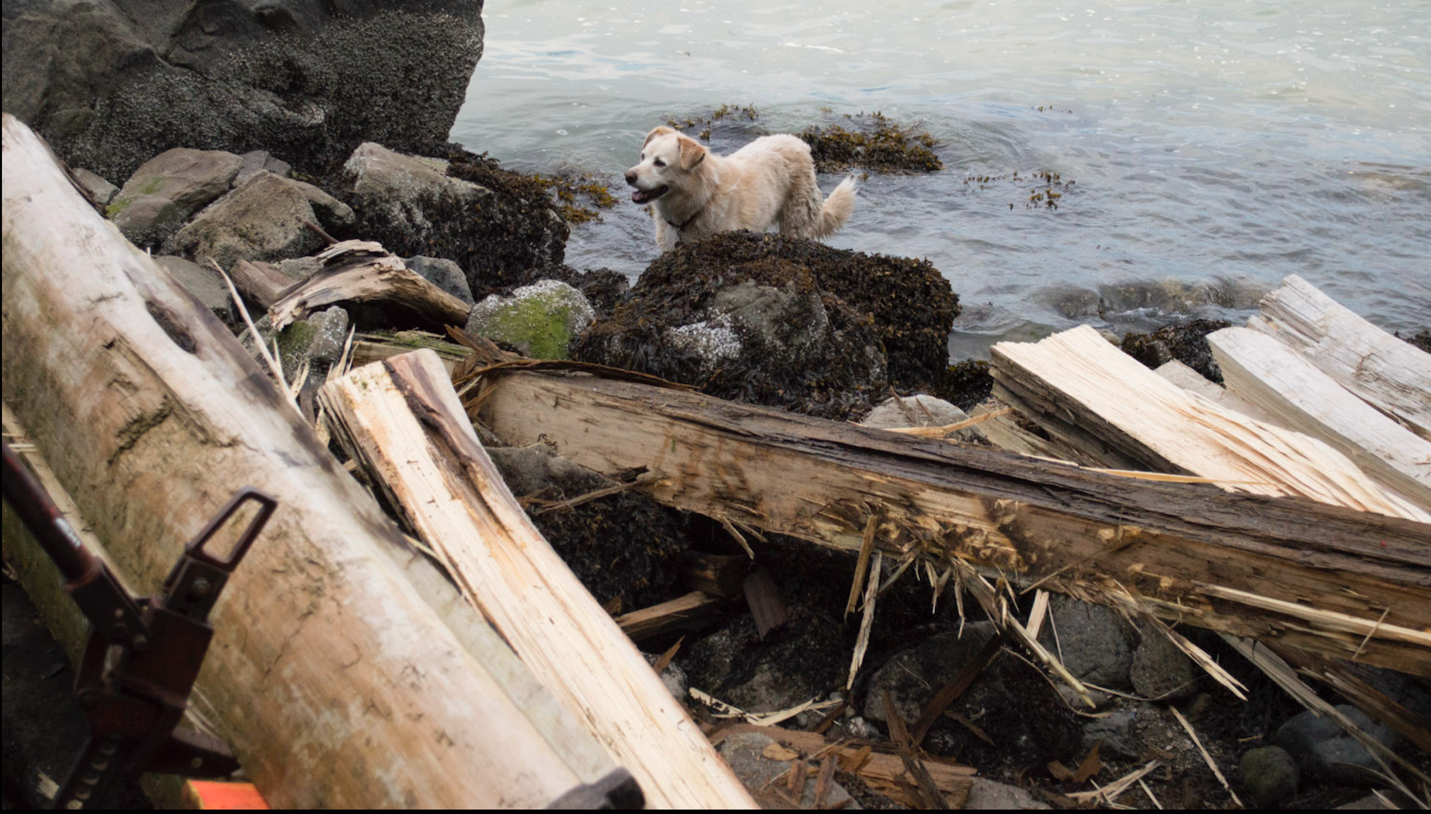
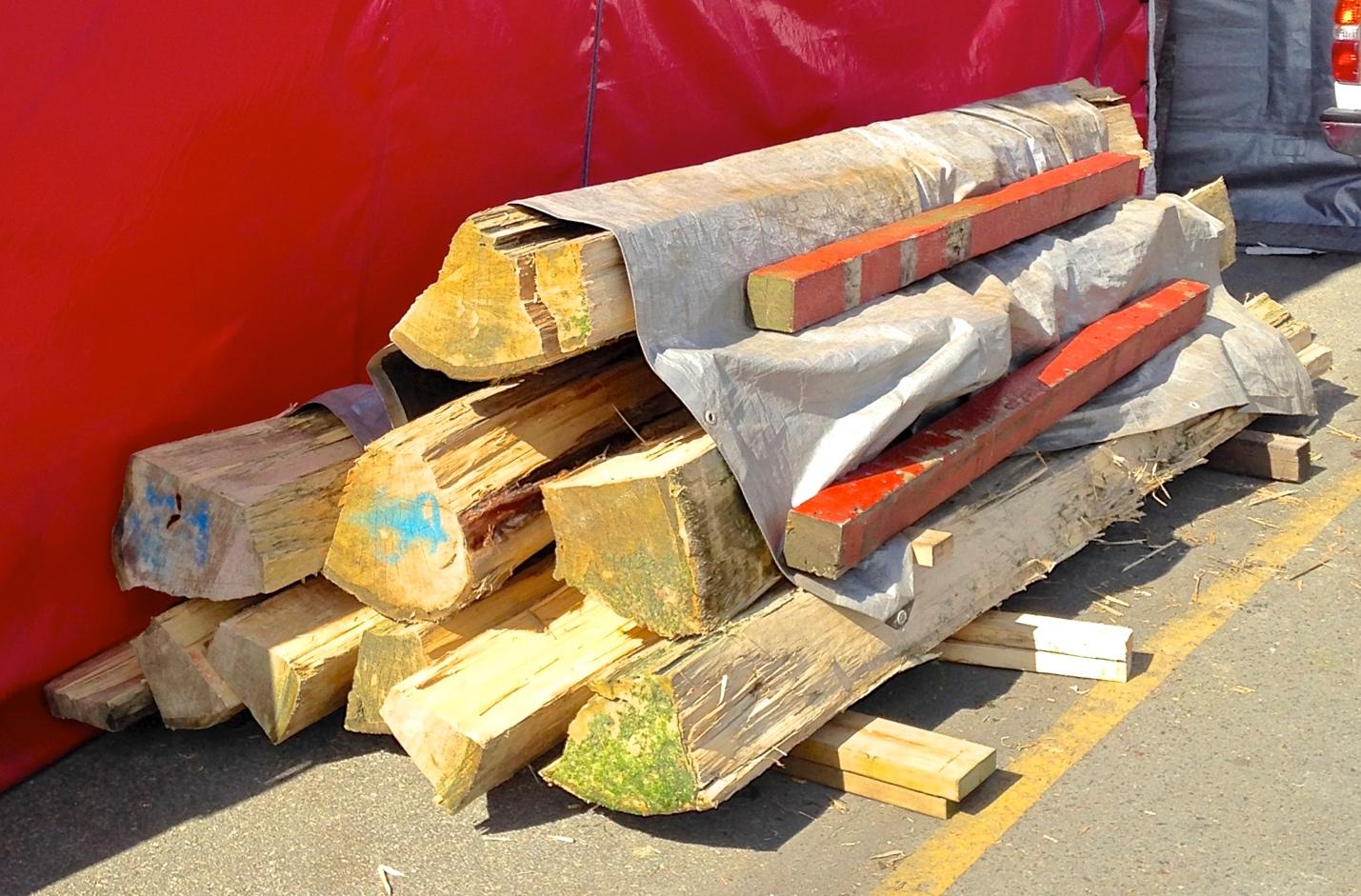
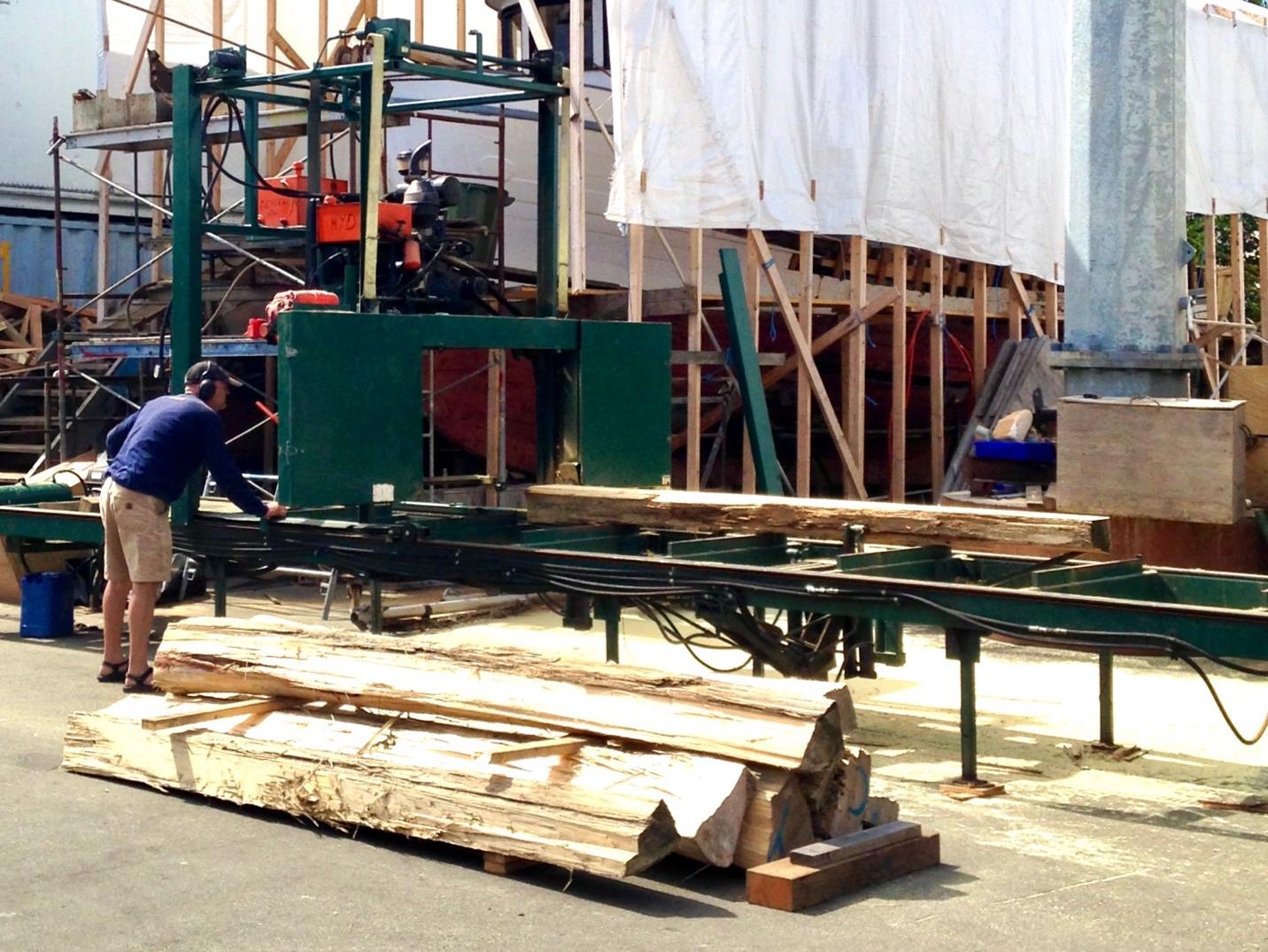
The rowing dinghy, Sparrow, started life as a 10 ft long hollow log of Yellow Cedar. My dog, Boone, found the log on a rocky beach, back in 2014. Boone knew that this was an above average piece of driftwood, and should be saved for a higher purpose. At about 2-1/2 ft in diameter, the log was quite heavy – about 500 lbs soaking wet. So simply getting this prize off the beach was an interesting problem. We decided to split the log along its length into several manageable chunks, using a maul and wedges. Then, with the help of a few strong friends, the resulting cants were hauled to a small local mill, where the Sawyer band-sawed them into thin planks. These were carefully stacked to air-dry in an unheated shed.
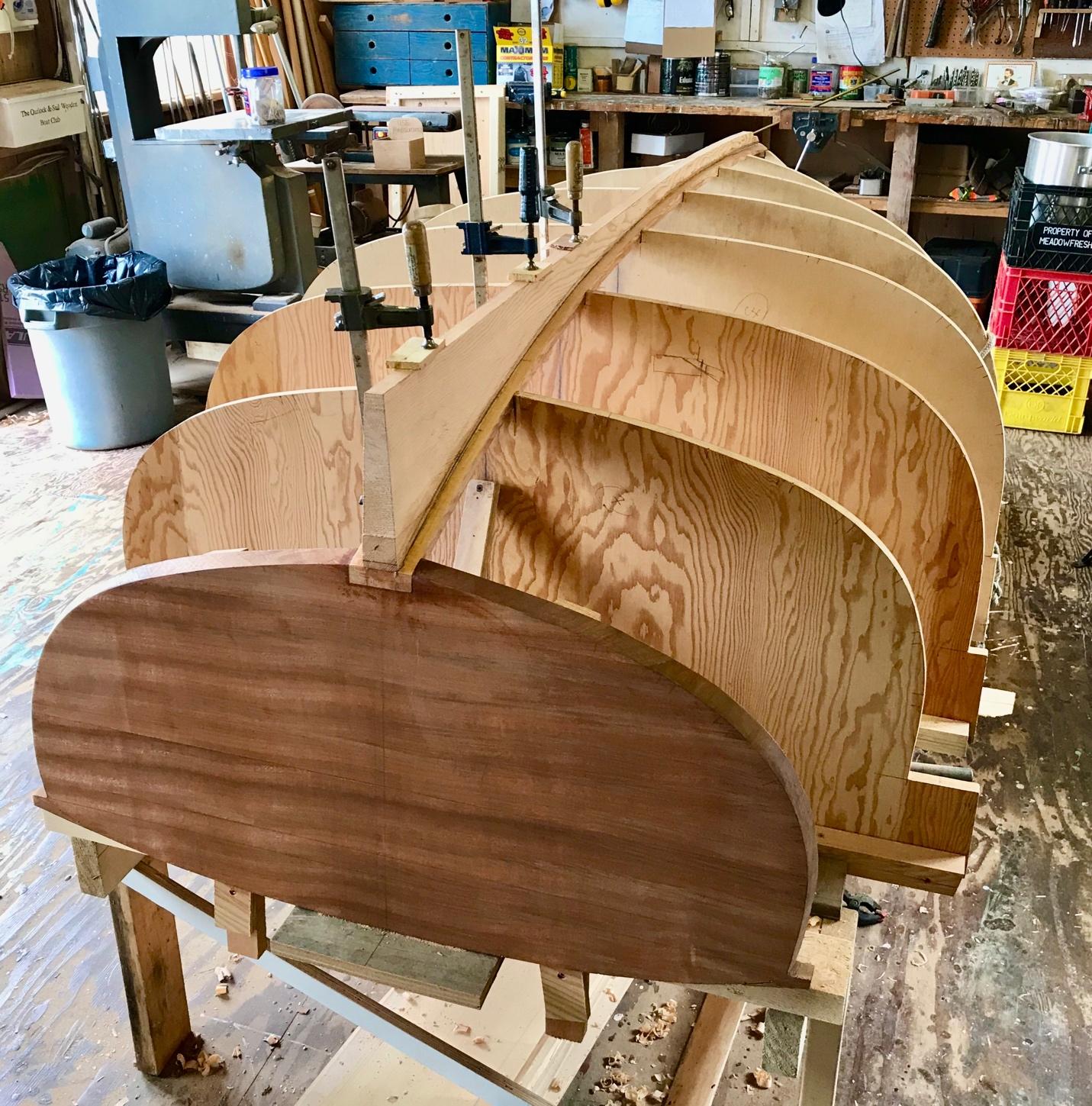
Fast forward about five years and the Yellow Cedar planks were now dried to about 15-20% moisture content (still retaining enough moisture for steaming and safely bending to shape). In 2019 the Oarlock and Sail wooden boat club, OLAS, was looking for a new project, so I ordered a set of plans for an Ian Oughtred-designed Acorn dinghy. Oughtred’s plans describe a frameless plywood lapstrake affair, held together with epoxy and mass hypnosis. Given that I had a nice pile of outstanding air-dried Cedar, and our interest in traditional boatbuilding, we decided to build our little Acorn/Sparrow from solid Yellow Cedar, rather than plywood. The plans arrived and we got to work cutting out patterns and setting them on a strongback.
Things were going along quite well until a pandemic of covid arrived in early 2020. Nonetheless a few hardy souls were able, between lockdowns, to slowly continue, overthinking every detail, carefully spiling and shaping yellow cedar planks, and riveting them into a boat-like shape. It turned out that switching from plywood and epoxy to solid cedar and copper rivets was somewhat more complicated than we had anticipated.
Still, we persevered.
Along with the wonderful Yellow Cedar beach-salvaged wood we’ve also managed to make good use a variety of scrounged, leftover and otherwise hoarded scraps of wood. The sapele transom and stem and most of the white oak frames were leftovers from a larger boat restoration that’s ongoing in my shop. The Douglas Fir keel and hog were also shop-found scraps and offcuts from other projects.
We are using traditional copper and bronze fasteners throughout, and the spiling, riveting and steam bending of planks and frames are as close to traditional wooden boatbuilding techniques as we can manage. Sparrow will be finished with a bright oil-rubbed and varnished interior, transom and sheer strakes, and a creamy white painted bottom.
When complete Sparrow hopes to be carried on deck as the tender for the somewhat larger wooden sloop Ricochet, a Kettenburg PCC built in San Diego in 1956.
Sparrow – This small bird usually symbolizes joy, protection and simplicity. Appropriately, it can also be a symbol of community and teamwork.
Brent Ash, October 2021
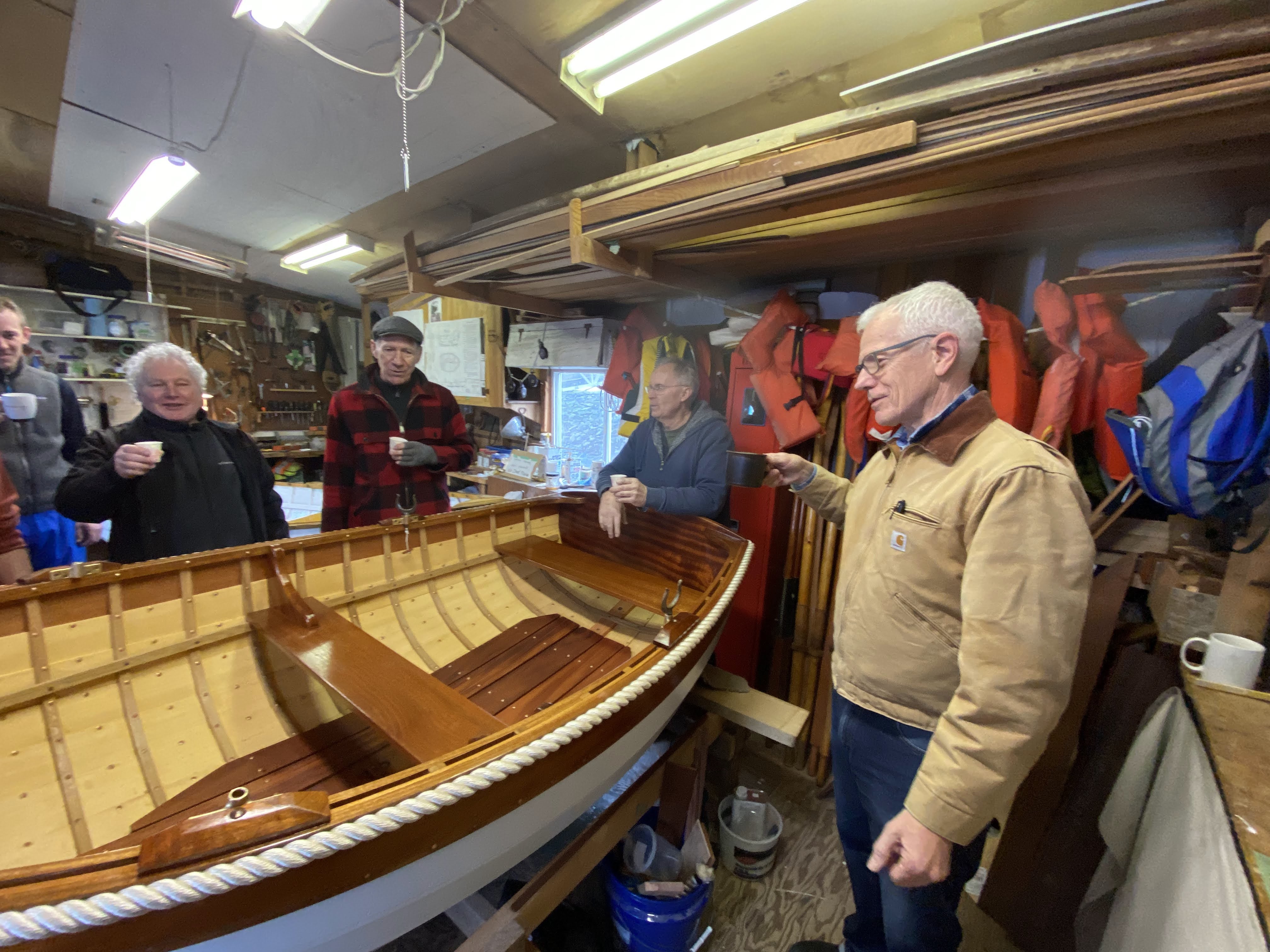
Since that was written, the finishing touches have been added, a celebretory drink has been enjoyed, and the boat has been put in the water and taken for a row – she rows like a dream!
After the joy of finishing off that beauty and seeing her off to her new home, we’ve moved on to refinishing our fleet of small boats. The Vogler is nearly done with new varnish and paint, and we’ve almost got Button Swan ready for new finishes.
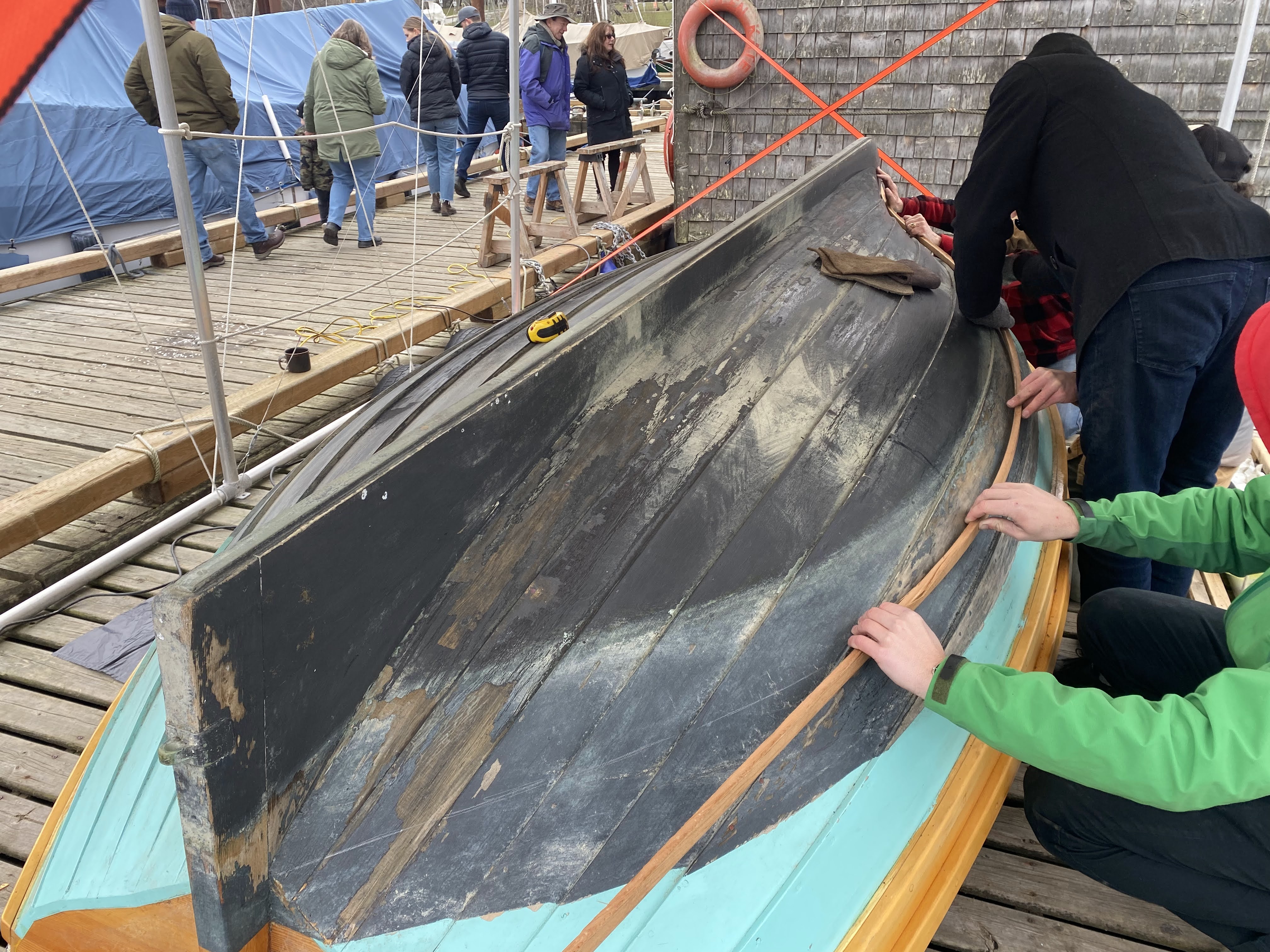
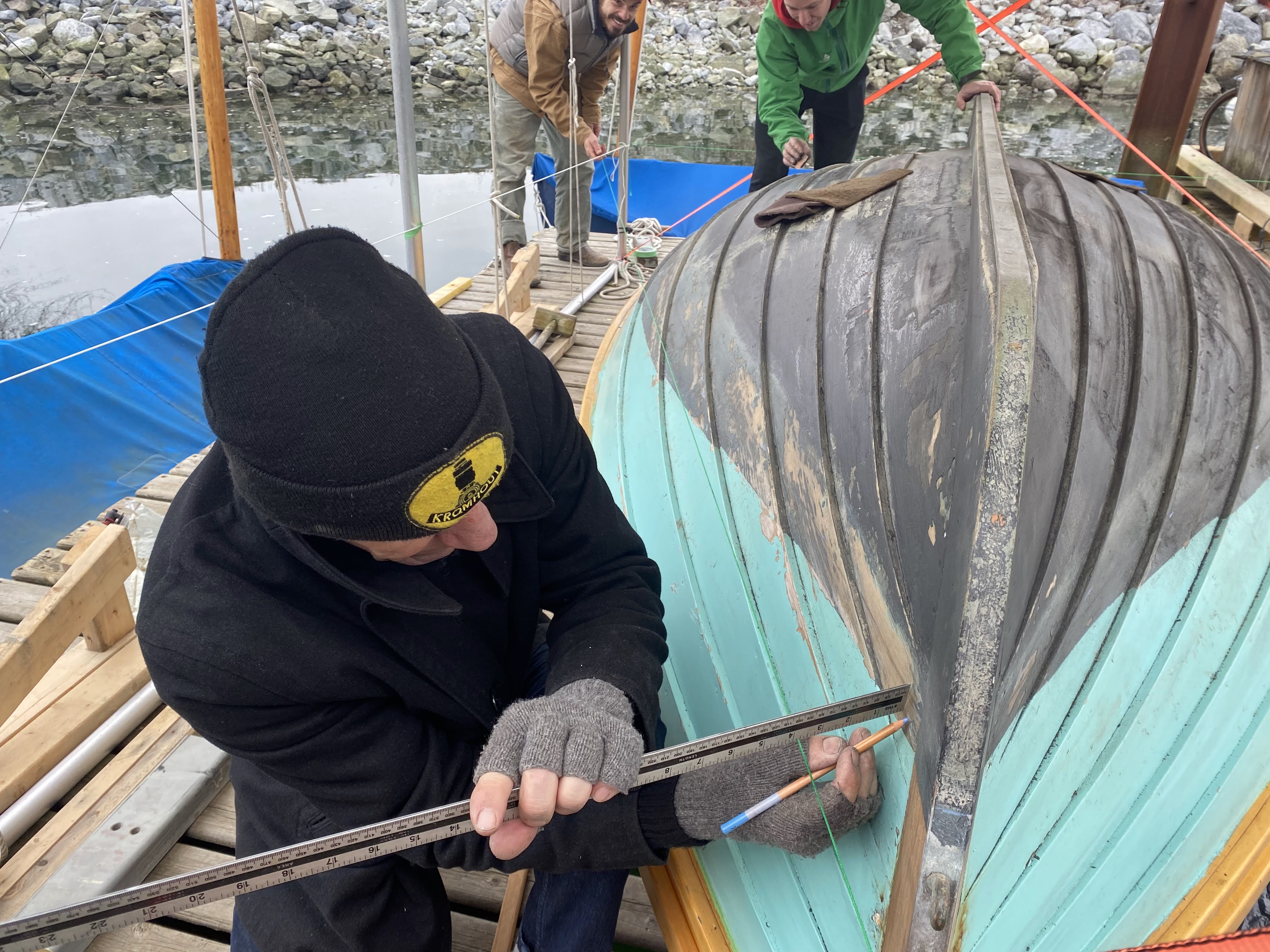
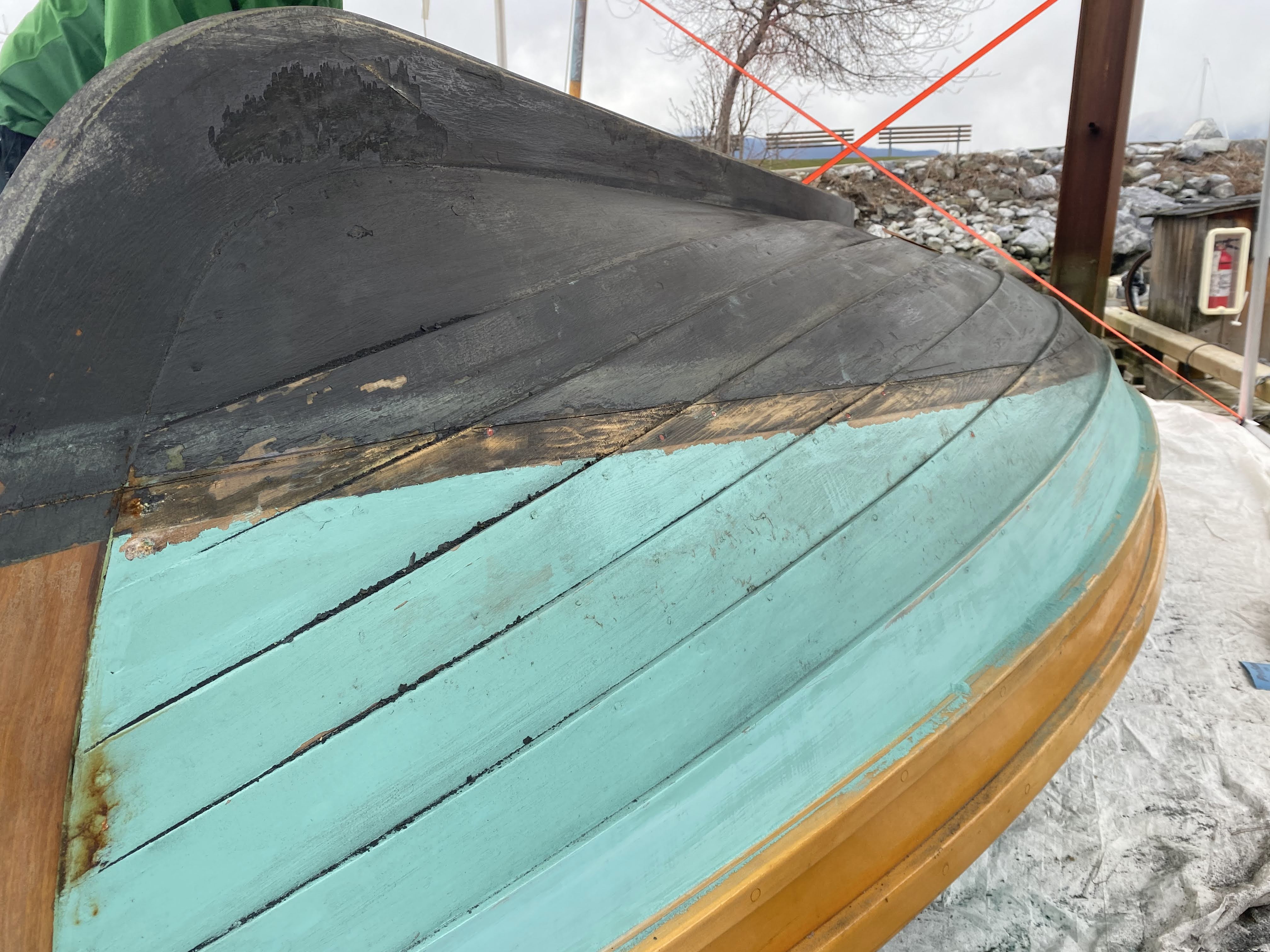
We’ve decided to adjust Button Swan’s waterline – when we built her, we adjusted the waterline location a bit, as we were building her a bit lighter than original without the live well, but she still sat pretty high in the water. So, based on the discolouration of weathering, we’ve lowered the waterline, and we’ll see more of the turquoise topside paint. (we’re also hoping to do something about those awful rusty STEEL fasteners that snuck in at the stem!!) The tent frame worked out really well, to run a stringline around the boat to mark the waterline!
One last thing before wrapping this up – the Vancouver Maritime Museum is working hard to get some improvments done in the harbour. You can read a bit about it, and what the harbour means to the museum in the Future of Heritage Harbour. Be sure to sign up for the upcoming Town Hall discussion (date to come). Oh, and while you’re on the VMM site, check out their upcoming events, including an online presentation about the SS Master, coming up March 16.









 Oarlock & Sail Wooden Boat Club